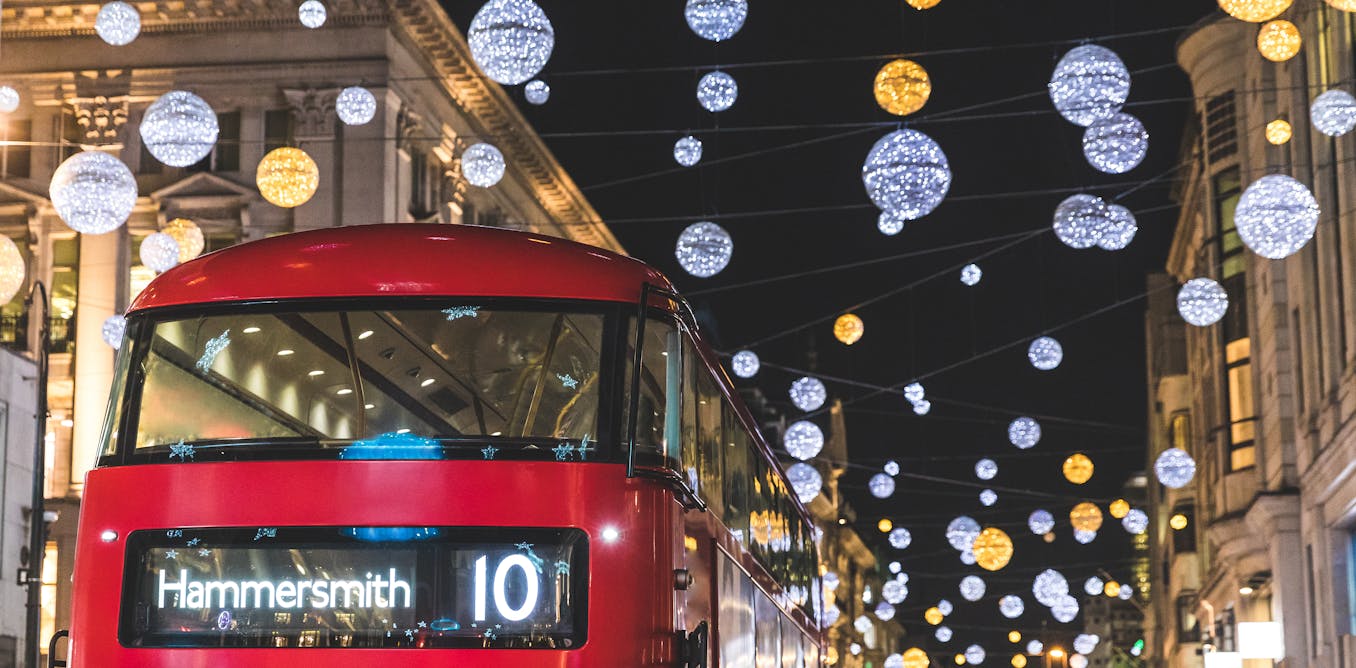
Imagine exploring a city during the festive season, seamlessly transitioning between different modes of transportation. The presence of well-designed bus stops and dedicated bike lanes can significantly influence your travel experience, making it more enjoyable, sustainable, and efficient.
Urban transportation infrastructure plays a crucial role in shaping how visitors and residents navigate city environments. During festive periods, cities often see increased foot traffic and tourism, which puts pressure on existing transit systems. Properly planned bus stops ensure quick, safe, and accessible boarding points, reducing wait times and congestion. For instance, strategically located bus stops near popular attractions or shopping districts can facilitate smooth transit, encouraging visitors to explore more of the city without relying heavily on private vehicles.
Similarly, bike lanes offer an eco-friendly and flexible alternative for travelers seeking to experience the city's festive atmosphere. Dedicated cycling paths not only promote sustainable tourism but also enhance safety for cyclists amid holiday crowds. Cities that invest in extensive, well-maintained bike lane networks enable visitors to enjoy scenic routes, access local markets, and visit cultural sites at their own pace. This mode of transportation also reduces traffic congestion and lowers carbon emissions, aligning with broader sustainability goals.
However, the effectiveness of these infrastructure elements depends on their design and integration into the urban landscape. Poorly planned bus stops that lack shelter or accessibility features can deter usage, while inadequate bike lane connectivity may discourage cycling altogether. During busy festive seasons, these shortcomings can lead to increased congestion, frustration, and a less enjoyable experience for tourists and locals alike.
Furthermore, city planners must consider the balance between different transportation modes. Overemphasis on one aspect, such as expanding bike lanes without sufficient bus stop infrastructure, can create bottlenecks. Conversely, neglecting pedestrian and cyclist needs can lead to safety issues and reduced mobility options. A holistic approach that incorporates accessible, safe, and interconnected transit options is essential for creating a vibrant, sustainable urban environment during the holiday season.
In conclusion, the strategic development of bus stops and bike lanes is vital for enhancing the festive city experience. These elements not only improve mobility and accessibility but also support sustainable tourism practices. Cities that prioritize integrated transportation infrastructure can offer memorable, efficient, and eco-friendly holiday visits, ultimately benefiting residents, visitors, and the environment.